
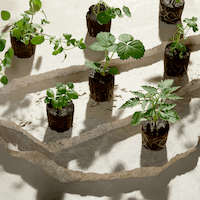
So you've just purchased strawberry seedlings for your Farmstand—hooray! Strawberries are great because they are one of the easier fruits to grow and one of the most delicious. However, Lettuce Grow still labels strawberry seedlings as an "advanced variety" because they are more sensitive and take longer to grow compared to most other plants on our menu.
This guide covers everything you need to set yourself up for a great harvest.
What to Expect
Strawberries take longer to mature than most other varieties. Expect a 5–8 week window just for the seedling to get established and start producing flowers — each flower can develop into a delicious fruit. Once flowering begins, fruit will be fully mature 3–4 weeks later.
Ideal (indoor and outdoor) temperatures:
- Daytime: 60–85°F
- Nighttime: 55–65°
Strawberries can handle mild winter weather but will not survive a freeze. In summer, if your daily average temperature rises above 95°F, the plant may struggle.
In healthy growing conditions, you can expect 10–15 strawberries per plant. If your strawberry plant stops producing fruit after a few months, remove it from your Farmstand and transplant it to a soil garden or hanging pot — strawberry plants can continue producing fruit for up to 5 years, though they slow down after year 3.
Light Requirements
Strawberries need 8–12 hours of light per day to flower and fruit well. Outdoors, a spot with full morning sun and light afternoon shade (especially in summer) is ideal. Indoors, make sure your Farmstand is positioned near a bright window or under a grow light that runs on a consistent schedule.
Growing Tips
Familiarize yourself with our resource on basic troubleshooting for the essential steps to maintain your Farmstand, and also our page on growing advanced varieties. It is important to be familiar and consistent with the steps on these pages.
Here are a few more tips specifically for growing strawberries:
Start fresh Start your strawberry seedlings with a clean Farmstand and fresh water.
Adjust your pump timer Small strawberry plants don't drink as much water as most varieties. For the first month of growing, add 15–30 minutes to each cycle that your pump timer is off.
For example, if your current daytime settings are "on for 10 minutes / off for 50 minutes," update to "on for 10 minutes / off for 65–80 minutes." How long to extend will depend on what other plants are currently on your Farmstand — large plants need more water, but new seedlings generally do fine with less. Check your plants over the next couple of days after adjusting to make sure nothing is drying out.
Manage heat and airflow
- Outdoors: On hot days (over 90°F), provide some afternoon shade and gently mist plants with cool water.
- Indoors: Add a small fan to keep air moving around your plants. Try to keep temperatures cool especially during night time.
Perform a water change at 2 months After growing for 2 months, pump out as much water from the tank as possible and refill with fresh water.
Prune runners As your plant grows, you'll notice new runners extending off the main plant. Prune these off so all the energy goes to the one plant you're growing — this gives you bigger yields faster.

Adjust nutrients after 2 months For the first 2 months, follow the standard nutrient dosing guide for your Farmstand or Nook (only add nutrients when also adding at least 1 gallon of water). After month 2, reduce your Part B dose by half to keep nitrogen levels lower — strawberries (like tomatoes during fruiting) prefer less nitrogen than other plants. So if your dose calls for 1 tbsp each of A and B, use 1 tbsp A and ½ tbsp B.
Stay on top of pests Pests love strawberries just as much as we do. The most common culprits are aphids, spider mites, thrips, snails, and slugs. Check your plants closely every week for early signs of pests or disease, and consider applying the Plant Defense Kit to keep plants clean and healthy.
A Note on Pollination (especially for indoor growers)
Outdoors, bees and other insects pollinate your strawberry flowers naturally. Indoors, you'll need to do this yourself. Once flowers open, use a soft paintbrush or your fingertip to gently transfer pollen between flowers — a small circular motion works well. Do this every couple of days while flowers are open. Skipping this step is one of the most common reasons indoor growers see flowers but no fruit.
How to Harvest
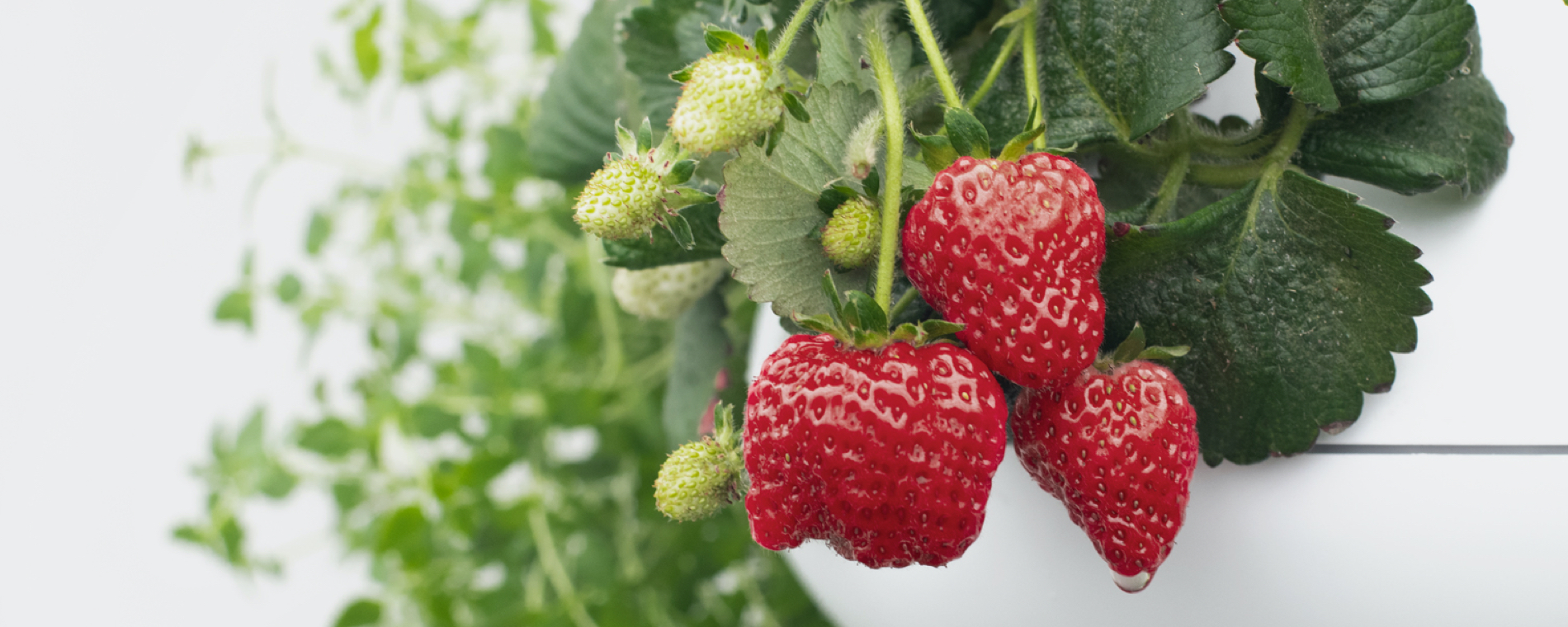
Strawberries are ready to harvest 3–4 weeks after blossoming. Wait until berries are fully ripe — bright red all the way around — as they will not continue to ripen once picked. Use scissors to snip the fruit at the stem rather than pulling, to avoid disturbing the rest of the plant.
Freshly harvested strawberries will keep in the refrigerator for 3–5 days. Hold off on washing them until right before you eat them to keep them fresh longer. They're best enjoyed at peak ripeness, ideally with someone to share them with!