

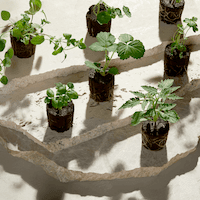
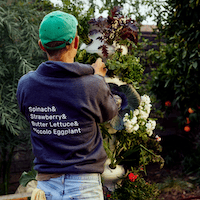

Most people think of October as the time to put the garden to bed. But for a lot of what we like to grow, fall can actually be one of the best seasons of the year.
Lettuces are happier when the summer heat breaks. Cilantro is less likely to bolt. Kale, chard, parsley, and other cool-weather crops can keep producing well into fall—and in many climates, beyond.
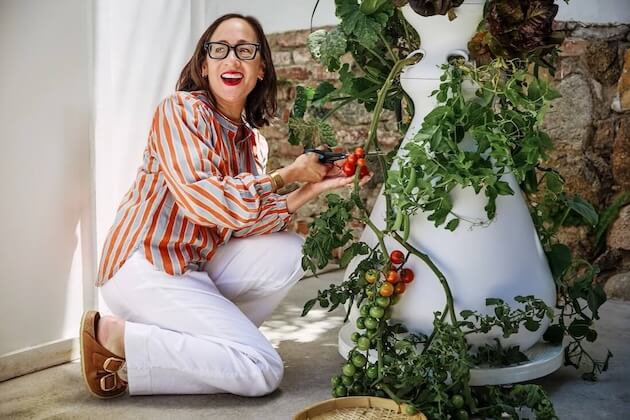
And with a Farmstand, you have another option when the weather finally gets too cold: bring the garden inside.
Outdoor growers: cooler weather can be a good thing
If your Farmstand is outside, don't assume cooler temperatures mean you're done growing. Many leafy greens and herbs actually prefer cooler weather and can thrive once temperatures come down from their summer highs.
Some cold-hardy plants, including kale, can even taste sweeter after exposure to cold. As temperatures drop, plants can accumulate sugars that help protect their cells—which happens to make for a pretty good salad too.
Fall can also mean less pest pressure than the middle of summer, depending on where you live. In other words: your summer tomatoes may be winding down, but that doesn't mean your garden has to.
How late can you grow vegetables outdoors?
Probably later than you think. What matters isn't so much the date on the calendar as the temperatures where you live and what you're growing. Cool-weather crops can tolerate much lower temperatures than summer crops like tomatoes and basil.
The Farmstand's reservoir also gives you a little extra protection when temperatures dip. Water holds heat much longer than air, so a brief overnight freeze doesn't affect a hydroponic system quite the same way it can affect plants growing in the ground or in a raised bed. The air may drop below freezing for a few hours while the water around the roots stays considerably warmer.
And here's a little Farmstand secret: in hydroponics, root temperature matters enormously—and unlike the air outside, the temperature around your plants' roots is something you can control.
If nights are getting cold but daytime temperatures are still reasonably mild, you can even add a small aquarium heater to the Farmstand tank to help keep the water and root zone warmer. It's a simple way to stretch the outdoor growing season even further.
That doesn't make the Farmstand freeze-proof. Leaves and stems can still be damaged by a hard or prolonged freeze. But an occasional cold night doesn't necessarily mean it's time to stop growing.
If freezing weather becomes the norm, that's usually a good signal to head indoors.
When it gets too cold, bring your Farmstand inside
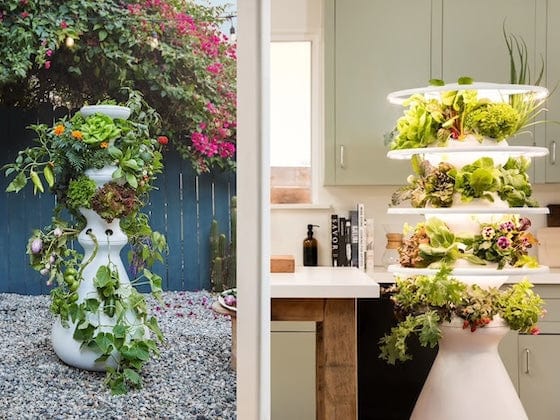
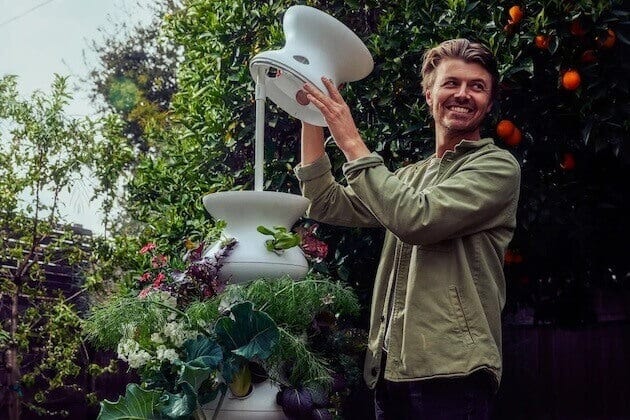
The same garden that lived outside all spring and summer can come indoors with Glow Rings when the weather stops cooperating.
You don't have to start over with an entirely different garden. You can keep growing many of the same greens and herbs through the winter, just a few feet from where you'll actually eat them. One Farmstand. Different seasons.
Can you grow vegetables in the fall?
Absolutely. In fact, many vegetables prefer it. Summer gets most of the attention in gardening, but a lot of leafy greens and herbs grow particularly well once extreme heat passes. Lettuce, kale, cilantro, and other cool-weather crops are all great places to start.
The bigger question is which crops make sense for your climate. The colder it gets, the more you'll want to favor cold-hardy varieties—or bring your Farmstand inside and keep going.
Already growing indoors?
Then October doesn't change very much. That's part of the beauty of growing inside: you're not waiting for the weather to give you permission.
Fall is still a great excuse to lean into crops that prefer more moderate temperatures. If your home stays warm, some cool-weather crops may still grow differently than they would outside in fall—but you have far more control over their environment than you do in the backyard.
What to plant this fall
A few of our favorites:
-
Kale and collard greens — hardy, productive, and especially well suited to cooler weather.
-
Lettuces and salad greens — much happier once extreme summer heat is gone.
-
Cilantro and parsley — two herbs that tend to be easier to keep productive when temperatures are moderate.
-
Swiss chard — colorful, productive, and tolerant of a wide range of conditions.
-
Spinach — a classic cool-weather crop when temperatures start dropping.
The part that matters most
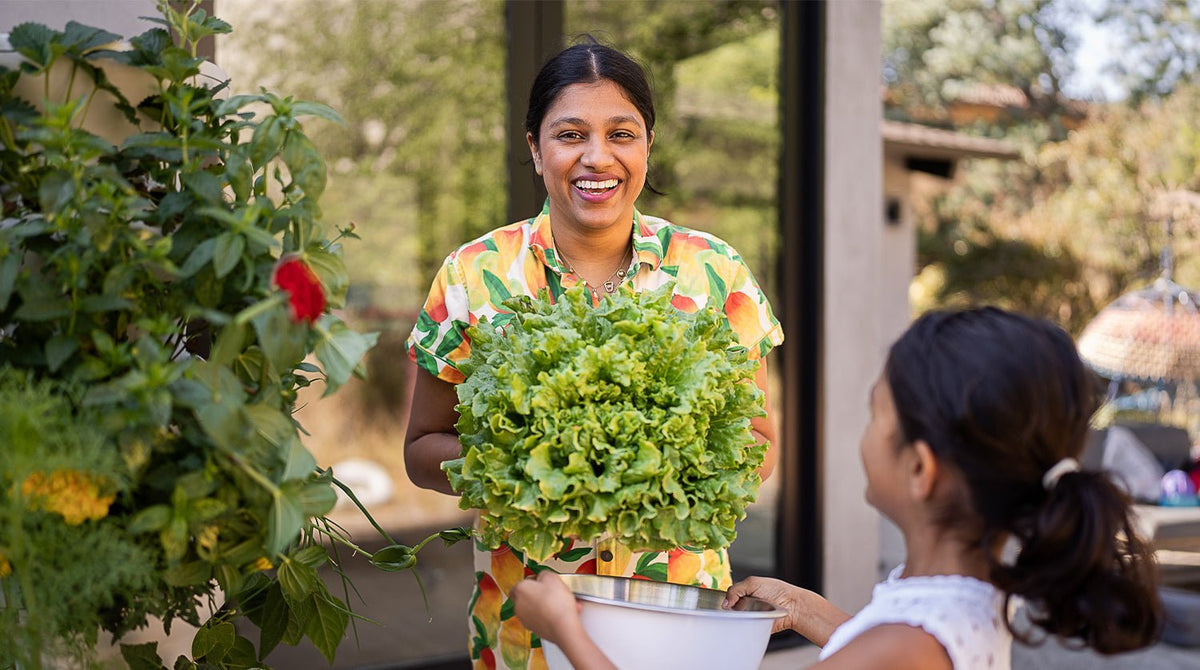
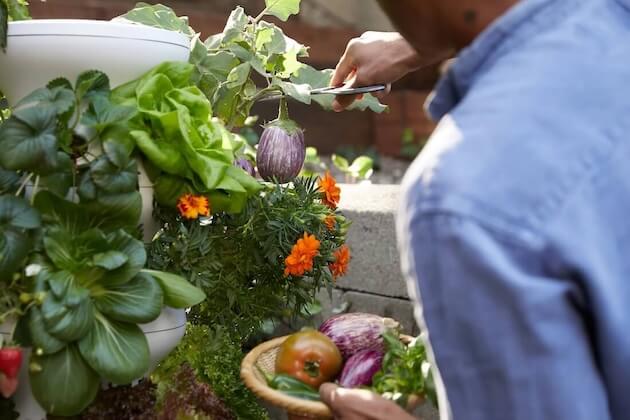
It's 6pm and dinner isn't really figured out yet. Instead of making another trip to the store, you walk over to the Farmstand, grab something fresh, and figure it out from there. That's the real payoff of growing food at home.
The food is alive until the moment you pick it. You use what you need. There's less sitting forgotten in the back of the refrigerator. And something that normally requires a grocery run is suddenly growing a few feet away.
Fall doesn't have to mean the end of the growing season. For some of the best things we grow, it might actually be the beginning of a better one.